
 By BSTeam
 Yes, Union Bank of India is a government bank. It is owned and controlled by the Government of India, which holds a majority stake. That ownership alone is enough to classify it clearly—it is not a private bank.
At a glance, Union Bank of India feels like any other modern bank, offering mobile banking, loans, and corporate services. But the real identity of any bank depends on who controls it, and here, the government is firmly in charge.
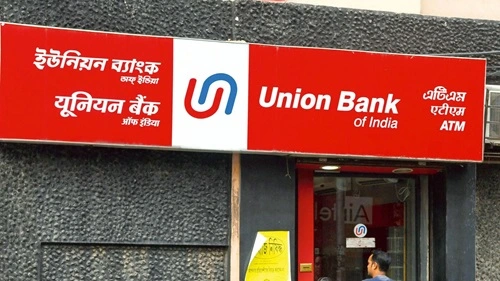
What Type of Bank is Union Bank of India?
Union Bank of India is a public sector bank (PSU). In India, this means the government owns more than 51% of its shares.
In this case, the Government of India holds a majority stake (around 75% or more in recent years). Because of this:
- The bank operates under government supervision
- Its strategies align with national financial goals
- It plays an active role in public welfare schemes
Even though shares are publicly traded and investors hold some portion, control remains with the government.
History: From Private Roots to Government Control
Union Bank of India has a long journey behind it.
- It was established in 1919 in Mumbai
- Founded by Indian industrialists and visionaries
- Initially operated as a private bank
A major turning point came in 1969, during Bank nationalisation in India.
During this reform, the Government of India took control of 14 major banks, including Union Bank of India. From then on, it became a government-owned public sector bank.
Why Was Union Bank of India Nationalized?
Before nationalization, banking services were mostly limited to urban areas and big businesses. A large part of India had little access to formal banking.
The government stepped in with a broader vision:
- To expand banking services to rural and semi-urban regions
- To support agriculture and small industries
- To reduce economic inequality
- To strengthen financial inclusion
After nationalization, Union Bank of India expanded its reach and became more focused on serving the general public.
Ownership Structure Today
Union Bank of India continues to operate under strong government control.
- Government of India – Majority shareholder
- Public investors and institutions – Minority stakeholders
This structure allows the bank to function in a competitive environment while still being guided by government priorities.
Even today, the government has the final say in major decisions.
Is Union Bank of India a Nationalised Bank?
Yes, Union Bank of India is also called a nationalised bank.
This means:
- It started as a private institution
- Later taken over by the government
Since it was nationalized in 1969, it fits both categories:
- Public sector bank
- Nationalised bank
Growth and Recent Developments
Union Bank of India has grown significantly over the years.
A major development came in 2020 when it merged with Andhra Bank and Corporation Bank. This merger strengthened its position and expanded its network across India.
Today, the bank has:
- A large branch network across the country
- A strong digital banking presence
- Services for individuals, businesses, and corporations
Services Offered
Union Bank of India provides a wide range of financial services:
- Savings and current accounts
- Personal, home, and business loans
- MSME and agricultural financing
- Mobile and internet banking
- International banking services
It also plays a major role in implementing government schemes and direct benefit transfers.
Final Answer
Think of Union Bank of India as a bank that blends modern services with public responsibility. It works in a competitive market, but the direction it follows comes from the government.
It began as a private institution, shifted into government ownership in 1969, and today stands as a public sector bank where the Government of India holds the controlling stake.