
 By BSTeam
 Yes, State Bank of India is a government bank. It is owned and controlled by the Government of India, which holds a majority stake. That ownership clearly places it in the public sector, not in the private category.
State Bank of India (SBI) is the largest bank in the country, and because of its size and reach, many people assume it might be private. But in reality, its control firmly rests with the government.
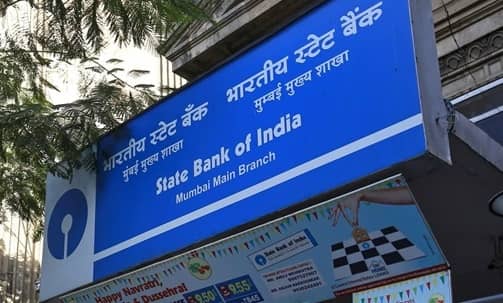
What Type of Bank is State Bank of India?
State Bank of India is a public sector bank (PSU). This means the government owns more than 51% of its shares.
In SBI’s case, the Government of India holds a majority stake (around 55–60%), which gives it full control over major decisions and policies.
Because of this:
- The bank operates under government supervision
- It plays a major role in implementing financial schemes
- Its policies align with national economic priorities
Even though SBI is listed on stock exchanges and has public shareholders, control is not private.
History: How SBI Became a Government Bank
State Bank of India has one of the oldest histories among Indian banks.
- Its roots go back to 1806 with the establishment of the Bank of Calcutta
- Later, it became the Imperial Bank of India
- In 1955, the Government of India took control of it with the help of the Reserve Bank of India
- It was then renamed as State Bank of India
This move officially made SBI a government-owned bank, even before the 1969 nationalization phase.
Why Did the Government Take Control?
The government took control of SBI to expand banking across India, especially in rural and underdeveloped areas.
The main goals were:
- To increase banking access in villages
- To support agriculture and small industries
- To strengthen economic development
- To build a strong national banking system
SBI became a key tool for achieving these goals and continues to play that role today.
Ownership Structure Today
Today, SBI continues to operate under government control with a mixed shareholding structure.
- Government of India – Majority shareholder
- Public investors and institutions – Minority stakeholders
This allows SBI to function like a modern commercial bank while still being guided by government policies.
Even now, the government holds the final say in major decisions.
Is State Bank of India a Nationalised Bank?
State Bank of India is slightly different from other banks.
- It was not part of the 1969 nationalization
- Instead, it became government-owned earlier in 1955
Because of this, SBI is:
- A public sector bank
- Often grouped with nationalised banks, though technically it followed a different path
Growth and Current Position
Today, SBI is the largest bank in India in terms of assets, branches, and customer base.
It has:
- Thousands of branches across the country
- A strong international presence
- Advanced digital banking platforms
SBI has also absorbed several associate banks over time, making it even more powerful and widespread.
Services Offered
State Bank of India provides a complete range of banking services:
- Savings and current accounts
- Home, personal, and education loans
- Corporate and business banking
- Digital and mobile banking
- International banking services
It also plays a major role in government schemes, subsidy transfers, and financial inclusion.
Final Answer
Put simply, State Bank of India stands firmly on the government side of the banking system. It may look and function like a modern commercial bank, but the ownership and control tell the real story.
It began as a private-era institution, evolved through government takeover, and today remains majority-owned by the Government of India, making it one of the strongest public sector banks in the country.