
 By BSTeam
The frozen food business is one of the fastest-growing sectors in the food processing and retail industry. As consumers increasingly seek convenient meal solutions, frozen food products have gained widespread popularity because they offer longer shelf life, reduced food waste, and easy preparation. Products such as frozen vegetables, ready-to-cook meals, frozen snacks, seafood, meat, desserts, and bakery items are now commonly found in supermarkets, convenience stores, restaurants, and online grocery platforms.
A frozen food business can operate in several ways, including manufacturing, wholesale distribution, retail sales, private labeling, export, and online delivery. Entrepreneurs can focus on specific product categories such as frozen vegetables, frozen fruits, meat products, seafood, packaged meals, frozen bakery products, or healthy ready-to-eat foods. Growing urbanization and busy lifestyles continue to increase the demand for frozen food products across residential and commercial markets.
In 2026, the frozen food industry continues to expand due to improvements in cold chain logistics, modern food preservation technology, rising disposable incomes, and the rapid growth of e-commerce. Consumers increasingly value convenience, consistent product quality, and year-round product availability. However, entrepreneurs should also evaluate challenges such as cold storage costs, transportation requirements, energy expenses, and regulatory compliance before entering this industry.
Understanding the advantages and disadvantages of a frozen food business helps entrepreneurs determine whether this food-related venture aligns with their investment capacity, operational expertise, and long-term business goals.
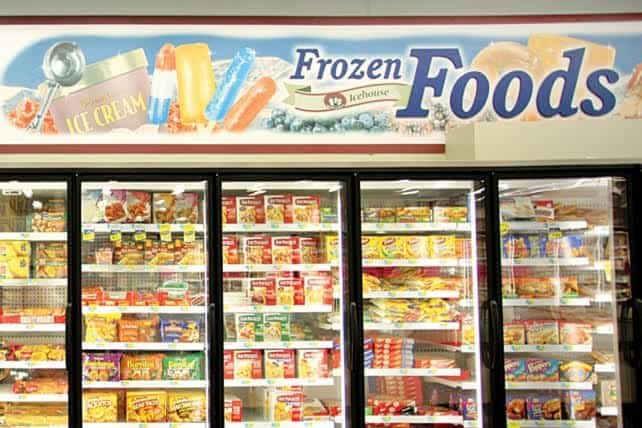
Advantages of a Frozen Food Business
1. Growing Consumer Demand
One of the biggest advantages of a frozen food business is the increasing demand for convenient meal options.
Common customers include:
- Households
- Restaurants
- Hotels
- Cafes
- Supermarkets
- Catering companies
- Food delivery businesses
- Online grocery platforms
Busy lifestyles continue to support market growth.
2. Longer Product Shelf Life
Frozen products generally last much longer than fresh food when stored correctly.
A longer shelf life helps:
- Reduce spoilage
- Improve inventory management
- Lower food waste
This contributes to better operational efficiency.
3. Wide Product Range
A frozen food business can offer various products, including:
- Frozen vegetables
- Frozen fruits
- Frozen snacks
- Ready-to-cook meals
- Seafood
- Meat products
- Frozen desserts
- Bakery products
A diverse product portfolio attracts more customers.
4. Multiple Sales Channels
Products can be sold through:
- Retail stores
- Supermarkets
- Wholesale distributors
- Restaurants
- Online marketplaces
- Company-owned websites
Multiple distribution channels improve business stability.
5.Business Scalability
A successful frozen food business can expand by:
- Increasing production capacity
- Launching new product lines
- Entering export markets
- Partnering with retail chains
- Developing private-label products
Scalable operations create long-term growth opportunities.
6. Strong Retail Demand
Supermarkets and grocery stores regularly stock frozen products because of consistent customer demand.
Retail partnerships provide recurring sales opportunities.
7. Opportunities for Premium Products
Businesses can introduce:
- Organic frozen foods
- Healthy meal options
- Gluten-free products
- Vegan meals
- Premium ready-to-cook foods
Value-added products often generate higher profit margins.
8. Reduced Seasonal Supply Issues
Freezing technology allows businesses to store seasonal produce and sell it throughout the year.
This helps maintain consistent product availability.
Disadvantages of a Frozen Food Business
1. High Cold Storage Costs
One of the biggest disadvantages is the investment required for cold storage facilities.
Major expenses include:
- Freezers
- Refrigeration systems
- Cold warehouses
- Temperature monitoring equipment
Storage costs can significantly affect profitability.
2. High Energy Consumption
Frozen food businesses consume considerable electricity to maintain required storage temperatures.
Energy costs represent an important operating expense.
3. Transportation Challenges
Frozen products require refrigerated transportation throughout the supply chain.
Maintaining the cold chain is essential to preserve product quality.
4. Equipment Maintenance
Businesses should regularly maintain:
- Refrigeration systems
- Freezers
- Compressors
- Temperature sensors
Unexpected equipment failures may result in product loss.
5. Regulatory Compliance
Frozen food businesses must comply with food safety regulations related to:
- Processing
- Packaging
- Storage
- Transportation
- Labeling
Compliance requires continuous monitoring.
6. Inventory Management
Businesses should carefully manage:
- Stock rotation
- Expiry dates
- Storage capacity
- Demand forecasting
Proper inventory control minimizes waste.
7. Strong Market Competition
Competition comes from:
- National food brands
- Local manufacturers
- Supermarket private labels
- Imported frozen food products
Businesses should compete through quality and innovation.
8. Consumer Perception
Some consumers still prefer fresh food over frozen alternatives.
Businesses should educate customers about product quality, safety, and nutritional value.
Tips for Building a Successful Frozen Food Business
A successful frozen food business depends on quality products and efficient cold chain management. Consider these practical strategies:
- Maintain strict food safety standards.
- Invest in reliable refrigeration equipment.
- Monitor storage temperatures continuously.
- Use attractive and informative packaging.
- Expand through online grocery platforms.
- Introduce healthy and premium product options.
- Build relationships with retailers and wholesalers.
- Maintain efficient inventory rotation.
- Monitor customer preferences regularly.
- Promote product quality through digital marketing.
- Continuously improve operational efficiency.
Is a Frozen Food Business Profitable?
Yes, a frozen food business can be highly profitable because consumers increasingly seek convenient, ready-to-cook, and long-lasting food products. Retail sales, wholesale distribution, institutional supply, private labeling, and exports create multiple revenue opportunities.
Profitability depends on product quality, cold chain efficiency, inventory management, energy costs, pricing strategy, customer satisfaction, and operational excellence. Businesses that consistently maintain product quality and reliable distribution often achieve sustainable long-term growth.
Conclusion
The frozen food business remains one of the most promising opportunities in the food processing industry. Growing demand for convenience foods, expanding retail networks, improved cold chain logistics, and increasing online grocery sales continue to support industry growth in 2026.
Although entrepreneurs must manage challenges such as high cold storage costs, energy consumption, transportation requirements, equipment maintenance, regulatory compliance, inventory management, strong competition, and consumer perception, the business offers numerous advantages, including growing consumer demand, longer product shelf life, a wide product range, multiple sales channels, business scalability, strong retail demand, premium product opportunities, and year-round product availability.
Entrepreneurs who prioritize food safety, operational efficiency, cold chain management, and customer satisfaction can build a successful and profitable frozen food business.
FAQs
Q: What are the main advantages of a frozen food business?
A: The main advantages include growing consumer demand, longer product shelf life, a wide product range, multiple sales channels, business scalability, strong retail demand, premium product opportunities, and year-round product availability.
Q: What are the disadvantages of a frozen food business?
A: Common disadvantages include high cold storage costs, significant energy consumption, refrigerated transportation requirements, equipment maintenance, regulatory compliance, inventory management challenges, strong competition, and consumer perception issues.
Q: Is a frozen food business profitable in 2026?
A: Yes, it can be profitable because demand for convenient food products continues to grow. Profitability depends on product quality, cold chain management, pricing strategy, customer satisfaction, operational efficiency, and effective distribution.
Q: What products can be sold in a frozen food business?
A: Common products include frozen vegetables, fruits, ready-to-cook meals, frozen snacks, seafood, meat products, bakery items, desserts, pizzas, parathas, vegan meals, and healthy frozen foods.
Q: How much investment is required to start a frozen food business?
A: Investment depends on the business model and production scale. Major expenses include refrigeration equipment, cold storage facilities, processing equipment, packaging, transportation, licensing, food safety compliance, marketing, and working capital.
Q: How can a frozen food business attract customers?
A: Businesses can attract customers by offering high-quality products, attractive packaging, competitive pricing, healthy meal options, online ordering, retail partnerships, promotional campaigns, reliable delivery, digital marketing, and excellent customer support.
Q: What skills are required to run a successful frozen food business?
A: Important skills include food processing, cold chain management, inventory control, quality assurance, food safety compliance, financial planning, marketing, supply chain management, customer service, operational management, and business development.
 Meghna Sharma