
 By BSTeam
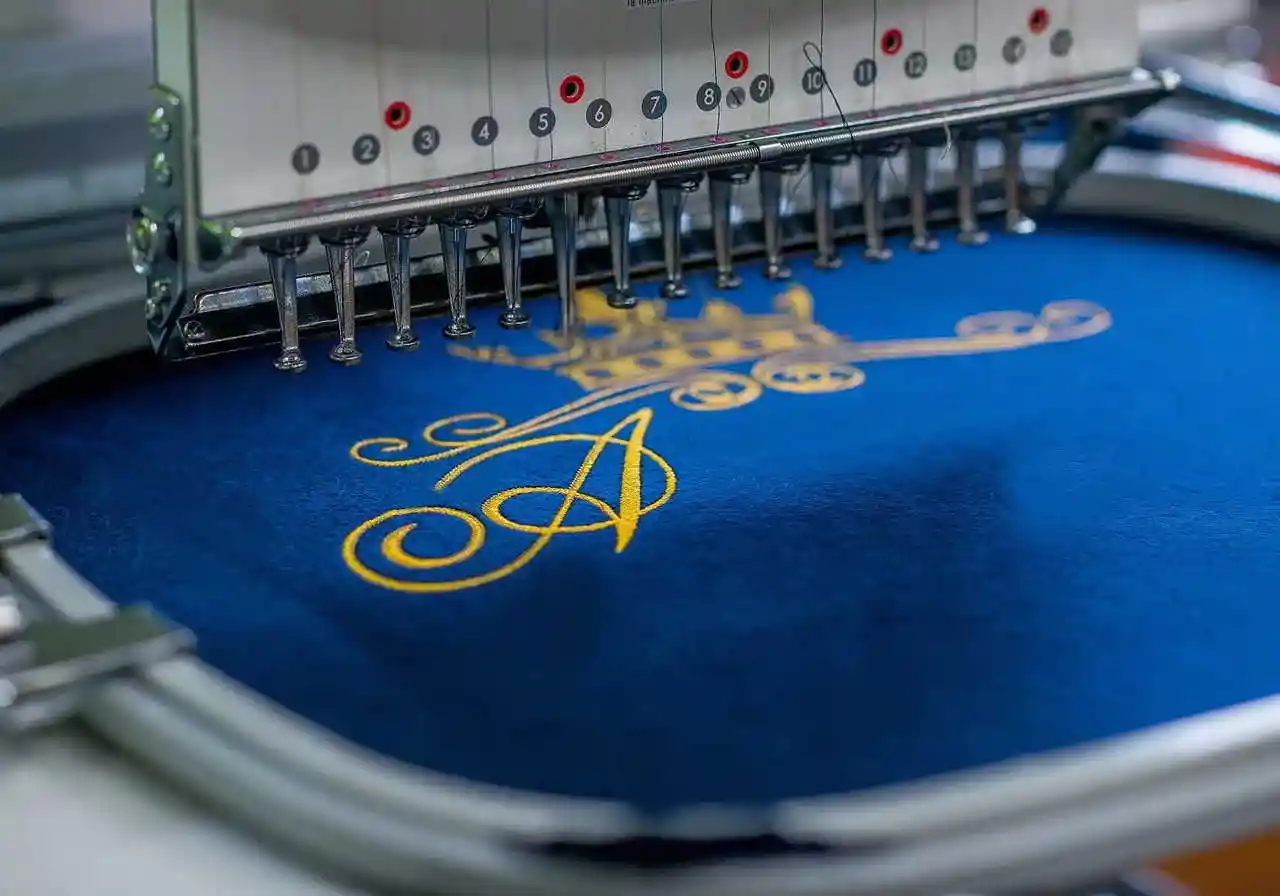
 The embroidery business is one of the most creative and profitable opportunities in the textile and apparel industry. Embroidery adds decorative stitching, logos, patterns, and customized designs to fabrics using specialized machines or handcraft techniques. Businesses, schools, sports teams, fashion brands, corporate organizations, and individual customers regularly purchase embroidered products for branding, uniforms, gifts, and personal use.
An embroidery business can operate in several formats, including custom embroidery services, garment decoration, logo embroidery, personalized gifts, uniform manufacturing, home décor embroidery, and wholesale production. Entrepreneurs can work from a home-based setup, a retail shop, or a commercial production unit depending on their investment capacity. With the growth of e-commerce and personalized products, embroidery businesses now serve customers both locally and internationally.
Understanding the advantages and disadvantages of an embroidery business helps entrepreneurs determine whether this creative venture aligns with their investment capacity, technical skills, and long-term business goals.
Advantages of an Embroidery Business
1. Growing Demand for Customization
One of the biggest advantages of an embroidery business is the increasing demand for personalized products.
Common customers include:
- Businesses
- Schools
- Sports clubs
- Fashion brands
- Hotels
- Restaurants
- Event organizers
- Individual buyers
Customization continues to drive industry growth.
2. Wide Product Range
An embroidery business can produce various items, including:
- T-shirts
- Caps
- Uniforms
- Jackets
- Towels
- Bags
- Cushions
- Baby clothing
A broad product range attracts diverse customer segments.
3. High Profit Margins
Customized embroidery services often generate higher profit margins than standard garment sales.
Premium pricing is possible for:
- Personalized gifts
- Corporate branding
- Designer embroidery
- Bulk uniform orders
Value-added customization increases profitability.
4. Home-Based Business Opportunity
Many entrepreneurs begin with a small embroidery setup at home.
A home-based business helps reduce:
- Office rent
- Utility expenses
- Operational costs
This makes it suitable for first-time business owners.
5. Business Scalability
A successful embroidery business can expand by:
- Purchasing additional machines
- Hiring skilled operators
- Launching an online store
- Supplying wholesale clients
- Offering international shipping
Scalable growth creates long-term opportunities.
6. Multiple Revenue Streams
Businesses can earn income from:
- Custom embroidery
- Corporate uniforms
- School uniforms
- Promotional merchandise
- Personalized gifts
- Home décor products
- Fashion accessories
Diversified services improve financial stability.
7. Strong Branding Opportunities
Businesses can build a recognizable brand by offering:
- Unique embroidery designs
- Premium quality
- Fast delivery
- Excellent customer service
A strong reputation encourages repeat customers.
8. Technology Improves Productivity
Modern computerized embroidery machines offer:
- Faster production
- Consistent quality
- Complex designs
- Digital design storage
Technology increases operational efficiency.
Disadvantages of an Embroidery Business
1. High Equipment Investment
One of the biggest disadvantages is the cost of embroidery machines.
Major expenses include:
- Embroidery machines
- Design software
- Computers
- Threads
- Hoops
- Maintenance tools
Commercial equipment requires significant investment.
2. Skilled Labor Requirements
Embroidery requires expertise in:
- Machine operation
- Design preparation
- Fabric handling
- Thread selection
- Quality inspection
Training employees takes time and resources.
3. Machine Maintenance
Regular maintenance is necessary to ensure consistent performance.
Maintenance includes:
- Needle replacement
- Thread tension adjustment
- Cleaning
- Software updates
- Mechanical servicing
Unexpected breakdowns may delay production.
4. Strong Market Competition
Competition comes from:
- Local embroidery shops
- Garment printing businesses
- Online customization platforms
- Large apparel manufacturers
Businesses should differentiate themselves through quality and service.
5. Production Time
Complex embroidery designs require careful stitching.
Large or intricate orders may take longer to complete than printed products.
6. Inventory Management
Businesses should maintain sufficient supplies of:
- Threads
- Fabrics
- Stabilizers
- Needles
- Packaging materials
Inventory management affects production efficiency.
7. Design Trends Change
Customer preferences evolve regularly.
Businesses should continuously update:
- Design collections
- Fashion styles
- Product offerings
Keeping up with trends requires creativity.
8. Seasonal Demand
Demand often increases during:
- School admission seasons
- Corporate uniform orders
- Festivals
- Holiday gift seasons
Sales may fluctuate during other periods.
Tips for Building a Successful Embroidery Business
A successful embroidery business depends on quality craftsmanship and customer satisfaction. Consider these practical strategies:
- Invest in reliable embroidery machines.
- Learn professional digitizing techniques.
- Offer customized design services.
- Maintain strict quality control.
- Build an attractive online portfolio.
- Expand through e-commerce platforms.
- Deliver orders on time.
- Use premium-quality threads and fabrics.
- Develop relationships with corporate clients.
- Monitor fashion and customization trends.
- Continuously improve customer service.
Is an Embroidery Business Profitable?
Yes, an embroidery business can be highly profitable because personalized and branded products continue to gain popularity. Corporate orders, school uniforms, promotional merchandise, online customization, and personalized gifts provide multiple revenue opportunities.
Profitability depends on production efficiency, design quality, customer satisfaction, pricing strategy, marketing, machine utilization, and operational management. Businesses that consistently deliver premium-quality embroidery often build loyal customers and achieve sustainable long-term growth.
Conclusion
The embroidery business remains one of the most attractive opportunities in the textile and customization industry. Increasing demand for personalized products, branded apparel, corporate uniforms, and promotional merchandise continues to drive industry growth in 2026.
Although entrepreneurs must manage challenges such as equipment investment, skilled labor requirements, machine maintenance, strong competition, production timelines, inventory management, changing design trends, and seasonal demand, the business offers numerous advantages, including growing customization demand, a wide product range, high profit margins, home-based startup opportunities, business scalability, multiple revenue streams, branding opportunities, and improved productivity through technology.
Entrepreneurs who prioritize craftsmanship, design quality, customer satisfaction, and efficient production can build a successful and profitable embroidery business.
FAQs
Q: What are the main advantages of an embroidery business?
A: The main advantages include growing demand for customization, a wide product range, high profit margins, home-based startup opportunities, business scalability, multiple revenue streams, branding opportunities, and increased productivity through modern technology.
Q: What are the disadvantages of an embroidery business?
A: Common disadvantages include high equipment investment, skilled labor requirements, machine maintenance, strong competition, longer production times for complex designs, inventory management challenges, changing design trends, and seasonal demand.
Q: Is an embroidery business profitable in 2026?
A: Yes, it can be profitable because customized products remain in high demand. Profitability depends on design quality, machine efficiency, customer satisfaction, pricing strategy, marketing, production management, and business expansion.
Q: What products can be sold in an embroidery business?
A: Common products include embroidered T-shirts, caps, uniforms, jackets, towels, bags, baby clothing, home décor items, corporate merchandise, school uniforms, promotional products, and personalized gifts.
Q: How much investment is required to start an embroidery business?
A: Investment depends on the business size and equipment. Major expenses include embroidery machines, computers, digitizing software, threads, stabilizers, fabrics, packaging, marketing, licensing, and working capital.
Q: How can an embroidery business attract customers?
A: Businesses can attract customers by offering customized designs, premium-quality embroidery, fast turnaround times, competitive pricing, online ordering, social media marketing, corporate partnerships, attractive product samples, and excellent customer service.
Q: What skills are required to run a successful embroidery business?
A: Important skills include embroidery machine operation, digitizing, fabric selection, design creation, quality control, inventory management, customer service, financial planning, marketing, operational management, and business development.