
 By BSTeam
 The fitness equipment rental business has emerged as a profitable opportunity in the health and wellness industry. As more people focus on maintaining an active lifestyle, the demand for home fitness solutions has increased significantly. Many individuals, corporate offices, gyms, rehabilitation centers, hotels, and event organizers prefer renting fitness equipment instead of purchasing expensive machines. This growing trend has created new opportunities for entrepreneurs to establish successful fitness equipment rental businesses.
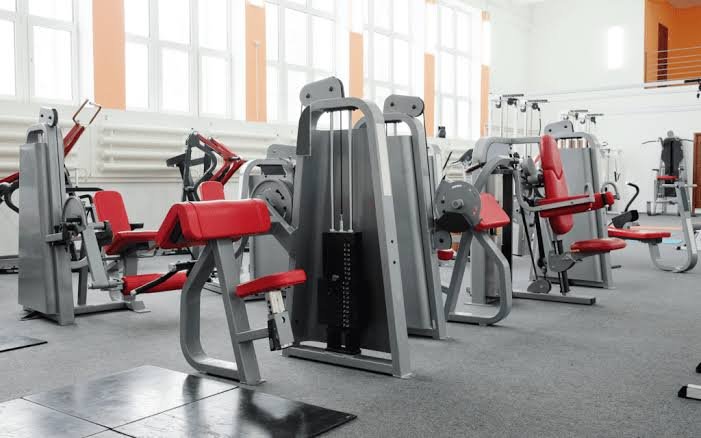
A fitness equipment rental company provides exercise machines and accessories for short-term or long-term use. Popular rental items include treadmills, exercise bikes, rowing machines, elliptical trainers, weight benches, dumbbells, barbells, resistance bands, home gym systems, and rehabilitation equipment. Customers benefit from affordable access to premium equipment without making a large upfront investment.
Although the business offers attractive opportunities, entrepreneurs should carefully evaluate both its advantages and disadvantages before starting. Understanding these factors helps in making informed investment and operational decisions.
Advantages of a Fitness Equipment Rental Business
1. Growing Demand for Home Fitness
One of the biggest advantages of this business is the increasing popularity of home workouts.
Many people prefer exercising at home because it offers:
- Flexible workout schedules
- Greater privacy
- Time savings
- Convenience
- Lower long-term fitness expenses
As a result, demand for rental fitness equipment continues to grow.
2. Recurring Monthly Income
Unlike one-time product sales, rental businesses generate recurring revenue.
Customers often rent equipment for:
- One month
- Three months
- Six months
- One year
Regular rental payments create predictable cash flow and improve business stability.
3. Multiple Customer Segments
A fitness equipment rental business serves various types of customers.
Potential clients include:
- Individual households
- Fitness enthusiasts
- Personal trainers
- Hotels
- Apartment complexes
- Corporate offices
- Rehabilitation centers
- Schools and colleges
- Event organizers
Serving different customer groups reduces dependence on a single market.
4. Equipment Can Generate Revenue Multiple Times
A significant advantage is that one machine can be rented repeatedly.
For example, a treadmill purchased once may generate rental income from several customers over multiple years.
Proper maintenance extends equipment life and increases profitability.
5. Opportunity to Offer Value-Added Services
Businesses can increase earnings by providing additional services such as:
- Equipment delivery
- Installation
- Maintenance
- Repair services
- Fitness consultations
- Equipment upgrades
- Rental insurance
These services improve customer satisfaction while creating additional revenue.
6. Growing Corporate Wellness Market
Many companies invest in employee wellness programs.
Fitness equipment rentals can support:
- Office gyms
- Corporate fitness events
- Wellness campaigns
- Employee health initiatives
Corporate clients often require long-term rental agreements.
7. Flexible Business Expansion
Entrepreneurs can gradually expand their inventory.
Additional equipment categories may include:
- Strength training machines
- Cardio equipment
- Yoga accessories
- Rehabilitation equipment
- Sports training equipment
Expansion allows businesses to reach new customer segments.
8. Environmentally Sustainable Business Model
Equipment rental promotes better resource utilization.
Instead of multiple customers purchasing separate machines, one well-maintained unit serves many users.
This reduces waste and supports sustainable consumption practices.
Disadvantages of a Fitness Equipment Rental Business
1. High Initial Investment
One of the biggest challenges is purchasing quality fitness equipment.
Initial expenses may include:
- Treadmills
- Exercise bikes
- Elliptical machines
- Home gyms
- Weightlifting equipment
- Delivery vehicles
- Storage facilities
Starting with a large inventory requires substantial capital.
2. Maintenance and Repair Costs
Fitness machines require regular servicing.
Common maintenance tasks include:
- Lubrication
- Motor servicing
- Belt replacement
- Electrical repairs
- Cleaning
- Safety inspections
Maintenance expenses directly affect profitability.
3. Transportation Challenges
Most fitness equipment is heavy and difficult to transport.
Businesses must arrange:
- Safe delivery
- Professional installation
- Equipment pickup
- Vehicle maintenance
Transportation costs can become significant.
4. Equipment Damage Risk
Rental equipment may experience:
- Physical damage
- Improper usage
- Missing accessories
- Accidental breakage
Although security deposits help reduce risk, repairs can still be costly.
5. Inventory Management Complexity
Managing multiple rental machines requires efficient tracking.
Business owners must monitor:
- Equipment availability
- Rental periods
- Maintenance schedules
- Customer locations
- Return inspections
Poor inventory management can reduce operational efficiency.
6. Seasonal Demand Changes
Demand may fluctuate depending on:
- Weather conditions
- Holiday seasons
- New Year fitness resolutions
- Local market trends
Business owners must prepare for periods of lower demand.
7. Strong Competition
Competition comes from:
- Fitness equipment retailers
- Gym memberships
- Online rental platforms
- Second-hand equipment sellers
Businesses must compete through service quality, pricing, and convenience.
8. Storage Space Requirements
Unused equipment requires secure storage.
Storage facilities should provide:
- Protection from moisture
- Security
- Easy accessibility
- Organized inventory management
Storage costs increase as inventory expands.
Tips for Building a Successful Fitness Equipment Rental Business
A successful fitness equipment rental business requires excellent service and efficient operations. Consider these practical strategies:
- Purchase durable commercial-grade equipment.
- Offer flexible rental plans for different budgets.
- Provide free delivery and installation when possible.
- Perform regular equipment maintenance.
- Use inventory management software.
- Create attractive package deals for multiple machines.
- Build partnerships with gyms and personal trainers.
- Promote services through social media and local advertising.
- Provide excellent customer support.
- Offer optional maintenance and insurance plans.
- Collect customer feedback to improve service quality.
Is a Fitness Equipment Rental Business Profitable?
Yes, a fitness equipment rental business can be profitable because it generates recurring rental income while allowing equipment to produce revenue multiple times throughout its useful life. Increasing health awareness, remote working, and growing demand for home fitness contribute to market growth.
Profitability depends on factors such as equipment utilization, maintenance efficiency, pricing strategy, customer retention, transportation management, and inventory planning. Businesses that provide reliable equipment, timely service, and flexible rental options often achieve sustainable long-term growth.
Conclusion
The fitness equipment rental business offers a promising opportunity in the expanding health and wellness market of 2026. Increasing interest in home workouts, corporate wellness programs, rehabilitation services, and flexible fitness solutions continues to create strong demand for rental equipment.
Although entrepreneurs must manage challenges such as high startup costs, equipment maintenance, transportation, storage requirements, damage risks, inventory management, and competition, the business provides significant advantages, including recurring income, multiple customer segments, scalable operations, environmental sustainability, and long-term profitability.
Entrepreneurs who invest in quality equipment, maintain excellent customer service, and manage operations efficiently can build a successful and sustainable fitness equipment rental business.
FAQs
Q: What are the main advantages of a fitness equipment rental business?
A: The main advantages include growing demand for home fitness, recurring monthly income, multiple customer segments, repeated revenue from the same equipment, business scalability, value-added services, corporate wellness opportunities, and environmentally sustainable operations.
Q: What are the disadvantages of a fitness equipment rental business?
A: Common disadvantages include high initial investment, maintenance costs, transportation challenges, equipment damage risks, inventory management complexity, seasonal demand fluctuations, strong competition, and storage space requirements.
Q: Is a fitness equipment rental business profitable in 2026?
A: Yes, it can be profitable because equipment generates recurring rental income over several years. Profitability depends on equipment utilization, maintenance efficiency, pricing, customer satisfaction, and operational management.
Q: What equipment can be rented in this business?
A: Common rental items include treadmills, stationary bikes, rowing machines, elliptical trainers, weight benches, dumbbells, barbells, kettlebells, resistance bands, home gym systems, yoga equipment, and rehabilitation fitness machines.
Q: How much investment is required to start a fitness equipment rental business?
A: Investment varies according to business size. A small operation may begin with a limited inventory, while larger businesses require commercial-grade equipment, delivery vehicles, warehouse space, maintenance tools, and management software.
Q: How can a fitness equipment rental business attract customers?
A: Businesses can attract customers through digital marketing, search engine optimization, partnerships with gyms and trainers, referral programs, flexible rental plans, corporate wellness packages, social media promotion, and excellent customer service.
Q: What skills are required to run a successful fitness equipment rental business?
A: Important skills include inventory management, customer service, equipment maintenance, logistics planning, marketing, financial management, sales, business operations, and knowledge of fitness equipment and industry trends.