
 By BSTeam
The frozen meat distribution business is a vital part of the food supply chain, connecting meat processors and producers with retailers, restaurants, hotels, supermarkets, catering companies, and institutional buyers. As consumer demand for safe, convenient, and long-lasting food products continues to grow, frozen meat has become a preferred choice for both commercial kitchens and households. Modern freezing technology helps preserve meat quality, nutritional value, and freshness while extending shelf life, making frozen meat an essential product in the food industry.
A frozen meat distribution business purchases frozen meat products from licensed processors or manufacturers and supplies them through an efficient cold chain network. Common products include frozen chicken, beef, mutton, lamb, turkey, seafood, sausages, meat cuts, ready-to-cook meat products, and processed meat items. The business depends on reliable storage, refrigerated transportation, and timely deliveries to maintain product quality.
In 2026, the expansion of supermarkets, online grocery platforms, cloud kitchens, quick-service restaurants, and food delivery services continues to increase demand for frozen meat distribution. Although the business offers excellent growth opportunities, entrepreneurs must also manage cold chain logistics, food safety compliance, inventory management, and transportation costs. Understanding both the advantages and disadvantages helps investors make informed business decisions.
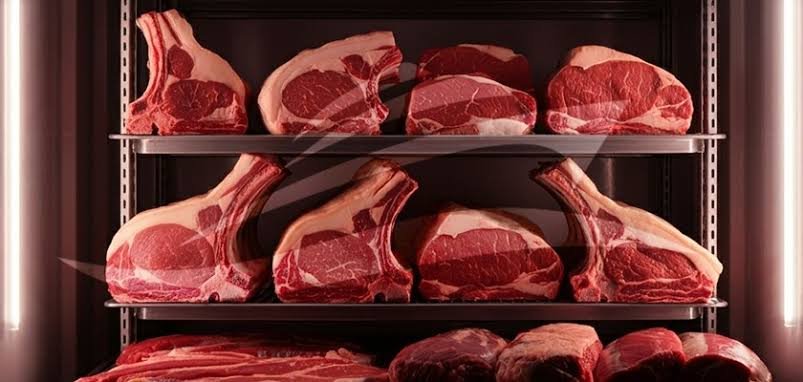
Advantages of a Frozen Meat Distribution Business
1. Growing Demand for Frozen Food
One of the biggest advantages of this business is the increasing popularity of frozen food products.
Demand comes from:
- Supermarkets
- Restaurants
- Hotels
- Catering companies
- Food retailers
- Online grocery platforms
- Institutional kitchens
Consumers appreciate the convenience and longer shelf life of frozen meat products.
2. Recurring Business Opportunities
Commercial customers regularly replenish their frozen meat inventory.
Frequent buyers include:
- Restaurants
- Hotels
- Cafes
- Catering businesses
- Retail chains
Repeat orders create consistent monthly revenue.
3. Longer Product Shelf Life
Freezing significantly extends the usable life of meat products.
Compared to fresh meat, frozen products offer:
- Reduced spoilage
- Better inventory planning
- Easier transportation
- Lower product wastage
This improves operational efficiency.
4. Wide Product Portfolio
A distributor can supply many different frozen products.
Popular categories include:
- Frozen chicken
- Frozen beef
- Frozen mutton
- Frozen lamb
- Seafood
- Processed meat
- Sausages
- Ready-to-cook products
- Frozen poultry
Offering a diverse inventory attracts more customers.
5. Business Scalability
The business can expand gradually by:
- Increasing warehouse capacity
- Serving additional regions
- Expanding refrigerated vehicle fleets
- Adding new product categories
- Building larger customer networks
Scalable operations support long-term growth.
6. Opportunity for Long-Term Contracts
Many commercial food businesses prefer dependable distributors.
Long-term agreements with:
- Restaurant chains
- Hotels
- Retail supermarkets
- Food manufacturers
provide stable income and improve production planning.
7. Expanding Food Service Industry
The rapid growth of food delivery services, cloud kitchens, and restaurant chains increases the need for dependable frozen meat suppliers.
This creates continuous opportunities for wholesale distributors.
8. Strong Market Potential
Urbanization, changing lifestyles, and rising demand for convenient food continue to expand the frozen food market.
Businesses operating efficiently can benefit from long-term industry growth.
Disadvantages of a Frozen Meat Distribution Business
1. High Initial Investment
One of the biggest disadvantages is the capital required to establish cold chain infrastructure.
Major investments include:
- Cold storage facilities
- Refrigerated trucks
- Freezers
- Warehouse equipment
- Inventory
- Backup power systems
Startup costs can be substantial.
2. High Electricity Costs
Frozen storage requires continuous refrigeration.
Businesses must operate:
- Cold rooms
- Freezers
- Refrigerated warehouses
Electricity expenses become a major operating cost.
3. Cold Chain Management Challenges
Maintaining the correct storage temperature is essential.
Temperature fluctuations during:
- Storage
- Transportation
- Delivery
may affect product quality and food safety.
4. Food Safety Compliance
Frozen meat businesses must comply with food safety regulations.
Responsibilities include:
- Hygiene management
- Product traceability
- Proper labeling
- Temperature monitoring
- Storage documentation
Regulatory compliance requires continuous monitoring.
5. Transportation Expenses
Frozen meat distribution depends on refrigerated logistics.
Operating refrigerated vehicles involves:
- Fuel costs
- Vehicle maintenance
- Refrigeration servicing
- Driver expenses
Transportation can significantly affect profitability.
6. Inventory Management Complexity
Businesses must carefully monitor:
- Stock rotation
- Expiry dates
- Storage conditions
- Product movement
Poor inventory management may lead to financial losses.
7. Equipment Maintenance
Cold storage equipment requires regular servicing.
Maintenance includes:
- Compressor repairs
- Refrigeration inspections
- Temperature monitoring systems
- Backup power testing
Unexpected equipment failures can interrupt operations.
8. Competitive Market
Competition comes from:
- Large food distributors
- National frozen food suppliers
- Regional wholesalers
- Integrated meat processing companies
Businesses must compete through quality, pricing, and reliable service.
Tips for Building a Successful Frozen Meat Distribution Business
A successful frozen meat distribution business requires strong logistics and quality management. Consider these strategies:
- Purchase products only from licensed and reputable suppliers.
- Maintain uninterrupted cold chain storage and transportation.
- Invest in reliable refrigerated vehicles.
- Monitor storage temperatures continuously.
- Follow strict food safety procedures.
- Use inventory management software.
- Rotate stock using first-expiring, first-out practices.
- Build long-term relationships with commercial customers.
- Provide timely deliveries.
- Train employees in food handling and cold storage management.
- Expand product categories based on market demand.
Is a Frozen Meat Distribution Business Profitable?
Yes, a frozen meat distribution business can be profitable because commercial food businesses require consistent supplies of frozen meat products throughout the year. Long shelf life, recurring orders, and expanding food service industries contribute to stable demand.
Profitability depends on efficient cold chain management, inventory control, transportation planning, supplier relationships, pricing strategy, and customer retention. Businesses that consistently maintain product quality and reliable delivery often achieve sustainable long-term growth.
Conclusion
The frozen meat distribution business offers promising opportunities within the expanding food supply industry. Increasing demand from supermarkets, restaurants, cloud kitchens, hotels, and online grocery platforms continues to support market growth in 2026.
Although entrepreneurs must manage challenges such as high startup investment, electricity costs, cold chain logistics, transportation expenses, food safety compliance, inventory management, equipment maintenance, and market competition, the business provides significant advantages, including recurring revenue, long product shelf life, scalable operations, multiple customer segments, and long-term commercial partnerships.
Entrepreneurs who prioritize food safety, efficient logistics, dependable customer service, and quality products can build a successful and sustainable frozen meat distribution business.
FAQs
Q: What are the main advantages of a frozen meat distribution business?
A: The main advantages include growing demand for frozen food, recurring commercial orders, longer product shelf life, a wide product portfolio, business scalability, long-term customer contracts, expanding food service opportunities, and strong market potential.
Q: What are the disadvantages of a frozen meat distribution business?
A: Common disadvantages include high startup investment, high electricity costs, cold chain management challenges, food safety compliance requirements, transportation expenses, inventory management complexity, equipment maintenance costs, and strong competition.
Q: Is a frozen meat distribution business profitable in 2026?
A: Yes, it can be profitable because frozen meat products are widely used by restaurants, supermarkets, hotels, and food service businesses. Profitability depends on efficient logistics, temperature control, customer retention, inventory management, and cost control.
Q: What products can be sold in a frozen meat distribution business?
A: Common products include frozen chicken, beef, mutton, lamb, turkey, seafood, sausages, processed meat, ready-to-cook meat products, poultry products, and specialty frozen meat items.
Q: How much investment is required to start a frozen meat distribution business?
A: Investment depends on business size. Major expenses include cold storage facilities, refrigerated vehicles, warehouse equipment, inventory, refrigeration systems, backup power, transportation infrastructure, and working capital.
Q: How can a frozen meat distributor attract customers?
A: Businesses can attract customers through reliable deliveries, competitive pricing, quality assurance, excellent customer service, strong supplier relationships, digital marketing, long-term supply agreements, and maintaining uninterrupted cold chain logistics.
Q: What skills are required to run a successful frozen meat distribution business?
A: Important skills include cold chain management, inventory control, food safety knowledge, logistics planning, customer relationship management, warehouse operations, financial management, supplier negotiation, and quality assurance.