
 By BSTeam
 The electric scooter dealership business has become one of the fastest-growing opportunities in the automotive retail industry. As governments encourage cleaner transportation and consumers look for affordable, fuel-efficient mobility solutions, electric scooters have gained widespread popularity. Lower running costs, reduced emissions, and advancements in battery technology have made electric scooters an attractive option for daily commuting, especially in urban areas.
An electric scooter dealership sells new electric scooters from one or more manufacturers while also offering related services such as financing assistance, insurance support, spare parts, accessories, servicing, battery replacement, and after-sales maintenance. Some dealerships also provide test rides, trade-in options, extended warranties, and charging solutions to improve the customer experience.
In 2026, the electric vehicle (EV) market continues to expand due to rising fuel prices, improved charging infrastructure, and increasing consumer awareness of sustainable transportation. Governments in many regions continue to support electric mobility through various policies and incentives, further strengthening market demand. Although the business offers significant growth potential, entrepreneurs should also consider challenges such as high initial investment, evolving technology, inventory management, and growing competition.
Understanding the advantages and disadvantages of an electric scooter dealership business helps investors determine whether this rapidly growing industry aligns with their business objectives.
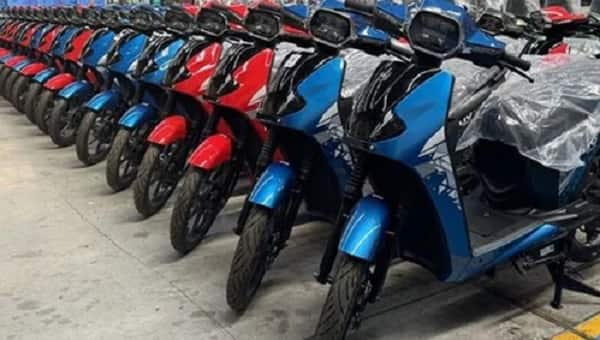
Advantages of an Electric Scooter Dealership Business
1. Rapidly Growing Market Demand
One of the biggest advantages of an electric scooter dealership is the increasing demand for electric mobility.
Major customer groups include:
- Daily commuters
- Students
- Office professionals
- Delivery service providers
- Fleet operators
- Environmentally conscious consumers
Growing adoption of electric vehicles supports long-term business opportunities.
2. Multiple Revenue Streams
A dealership can generate income from several sources.
Common revenue channels include:
- Electric scooter sales
- Accessories
- Spare parts
- Scheduled servicing
- Battery replacement
- Extended warranties
- Financing commissions
- Insurance assistance
Diversified revenue improves business stability.
3. Government Support for Electric Mobility
Many governments continue to promote electric transportation through policies that encourage EV adoption.
Depending on the region, dealerships may benefit from:
- Consumer incentives
- Infrastructure development
- Industry support initiatives
These measures can help increase customer interest in electric scooters.
4. Lower Maintenance Requirements
Compared with conventional fuel-powered scooters, electric scooters generally have fewer moving parts.
This often results in:
- Simplified servicing
- Reduced mechanical wear
- Improved customer satisfaction
Reliable products can strengthen customer trust.
5. Growing Environmental Awareness
Consumers increasingly prefer transportation options that reduce emissions.
Many buyers choose electric scooters because they support:
- Cleaner transportation
- Reduced air pollution
- Sustainable mobility
Environmental awareness continues to strengthen market demand.
6. Opportunity to Build Long-Term Customer Relationships
Dealerships interact with customers throughout the ownership cycle.
Ongoing services include:
- Routine maintenance
- Spare parts supply
- Battery replacement
- Software updates
- Accessory sales
After-sales support encourages repeat business.
7. Business Scalability
As demand grows, dealerships can expand by:
- Opening additional showrooms
- Adding new electric vehicle brands
- Offering commercial fleet solutions
- Launching online sales platforms
- Expanding service centers
Scalable operations create long-term growth opportunities.
8. Strong Brand Partnerships
Authorized dealerships benefit from working with established manufacturers.
Brand partnerships often provide:
- Marketing support
- Product training
- Technical assistance
- Promotional campaigns
These resources can strengthen business performance.
Disadvantages of an Electric Scooter Dealership Business
1. High Initial Investment
One of the biggest disadvantages is the capital required to establish a dealership.
Major investments include:
- Showroom setup
- Initial vehicle inventory
- Service equipment
- Spare parts inventory
- Workshop infrastructure
- Working capital
Startup costs may be significant.
2. Rapid Technological Changes
Electric vehicle technology evolves quickly.
Manufacturers regularly introduce improvements in:
- Battery systems
- Motor efficiency
- Software
- Charging technology
Dealerships must continuously adapt to new developments.
3. Inventory Management Challenges
Maintaining the right inventory requires careful planning.
Businesses must manage:
- Multiple models
- Different color options
- Spare parts
- Accessories
- Batteries
Poor inventory planning can affect profitability.
4. Dependence on Manufacturer Supply
Dealerships rely on manufacturers for:
- Vehicle availability
- Spare parts
- Technical updates
- Warranty support
Supply chain disruptions may affect customer satisfaction.
5. Competitive Market
Competition continues to increase as more manufacturers enter the electric vehicle industry.
Competitors include:
- Authorized dealerships
- Multi-brand EV retailers
- Online vehicle platforms
Businesses must differentiate themselves through service quality and customer experience.
6. Customer Education Requirements
Some buyers may be unfamiliar with electric scooters.
Dealership staff often need to explain:
- Charging procedures
- Battery maintenance
- Vehicle range
- Ownership costs
- Service schedules
Customer education requires trained sales teams.
7. Battery Replacement Costs
Although batteries continue to improve, replacement remains an important ownership consideration.
Customers may ask detailed questions regarding:
- Battery lifespan
- Maintenance
- Warranty coverage
Dealerships should provide accurate guidance and transparent information.
8. Skilled Technical Staff Needed
Modern electric scooters require technicians trained in:
- Electrical systems
- Battery diagnostics
- Electronic controllers
- Software updates
Recruiting and retaining skilled staff can increase operating costs.
Tips for Building a Successful Electric Scooter Dealership Business
A successful dealership depends on customer satisfaction and reliable after-sales service. Consider these practical strategies:
- Partner with reputable electric scooter manufacturers.
- Invest in a modern showroom and service center.
- Train sales staff to explain EV technology clearly.
- Employ qualified service technicians.
- Maintain adequate spare parts inventory.
- Offer attractive financing and insurance assistance.
- Organize customer test ride events.
- Develop a professional online presence.
- Build long-term customer relationships through excellent after-sales support.
- Monitor industry trends and introduce new models promptly.
- Encourage customer reviews and referrals.
Is an Electric Scooter Dealership Business Profitable?
Yes, an electric scooter dealership business can be profitable because demand for electric mobility continues to increase. Vehicle sales, accessories, servicing, financing support, spare parts, and maintenance packages create multiple income sources.
Profitability depends on manufacturer partnerships, customer service, inventory management, sales performance, after-sales support, marketing, and operational efficiency. Dealerships that build strong customer trust and provide reliable service often achieve sustainable long-term growth.
Conclusion
The electric scooter dealership business offers excellent opportunities within the rapidly expanding electric mobility industry. Increasing environmental awareness, rising fuel costs, and continuous improvements in electric vehicle technology continue to drive market growth in 2026.
Although entrepreneurs must manage challenges such as high startup investment, evolving technology, inventory management, manufacturer dependence, competition, customer education, battery-related concerns, and technical staffing requirements, the business provides numerous advantages, including growing demand, multiple revenue streams, government support in many regions, business scalability, long-term customer relationships, and strong brand partnerships.
Entrepreneurs who focus on outstanding customer service, skilled technical support, efficient inventory management, and reliable after-sales care can build a successful and sustainable electric scooter dealership business.
FAQs
Q: What are the main advantages of an electric scooter dealership business?
A: The main advantages include growing market demand, multiple revenue streams, government support for electric mobility in many regions, lower maintenance requirements, increasing environmental awareness, long-term customer relationships, business scalability, and strong manufacturer partnerships.
Q: What are the disadvantages of an electric scooter dealership business?
A: Common disadvantages include high startup investment, rapidly changing technology, inventory management challenges, dependence on manufacturer supply, increasing competition, customer education requirements, battery replacement concerns, and the need for skilled technical staff.
Q: Is an electric scooter dealership business profitable in 2026?
A: Yes, it can be profitable because demand for electric scooters continues to rise. Profitability depends on vehicle sales, after-sales service, financing assistance, inventory management, customer satisfaction, and efficient business operations.
Q: What services can an electric scooter dealership provide?
A: Common services include electric scooter sales, servicing, battery replacement, spare parts supply, accessories, financing assistance, insurance support, warranty services, software updates, and customer maintenance programs.
Q: How much investment is required to start an electric scooter dealership?
A: Investment depends on the dealership size and manufacturer requirements. Major expenses include showroom setup, inventory, workshop equipment, service infrastructure, spare parts, branding, staff recruitment, marketing, and working capital.
Q: How can an electric scooter dealership attract customers?
A: Businesses can attract customers by offering test rides, competitive financing options, excellent after-sales service, trained staff, attractive promotional campaigns, online marketing, transparent pricing, customer referral programs, and reliable warranty support.
Q: What skills are required to run a successful electric scooter dealership?
A: Important skills include sales management, customer service, inventory control, financial planning, marketing, manufacturer relationship management, technical knowledge of electric vehicles, workshop management, and the ability to build long-term customer relationships.